How we think about gardens, seasons, and the Birmingham landscape
We didn't start with a business plan. We started with questions about why certain gardens thrive while others struggle, even when they're just streets apart.
Birmingham's geology creates pockets of dramatically different growing conditions. Clay soil dominates, but sand and loam appear in unexpected places. Elevation changes affect frost dates. Urban heat islands alter microclimates.
These variations fascinated us. They still do.
Gardens aren't static. They're living systems that respond to hundreds of variables: soil biology, water cycles, seasonal light patterns, root competition, nutrient availability.
Standard maintenance schedules ignore this complexity. A lawn in Moseley needs different care than one in Sutton Coldfield, even if they're the same grass species.
We observe. We test. We adjust. Each garden receives attention based on what we see happening in the soil and plants, not what a calendar suggests.
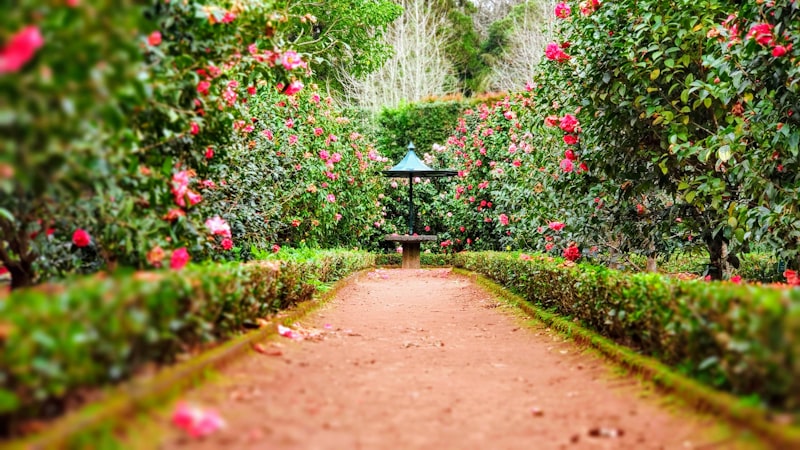
We assess drainage, sun exposure, and soil composition before making recommendations. What works in one garden might fail in another.
Our schedules flex with weather patterns. Early spring warmth triggers earlier lawn care. Late frosts delay certain pruning tasks.
Quick fixes often create future problems. We prioritize soil health and sustainable practices that support gardens over years.
If something won't work in your conditions, we'll say so. No false promises about unsuitable plants or unrealistic timelines.
We've worked across Birmingham's diverse neighborhoods. From Victorian gardens in Harborne to modern developments in the Jewellery Quarter. From established estates in Sutton Coldfield to compact urban spaces in Digbeth.
Each area taught us something. Clay soil in Kings Heath behaves differently than clay in Moseley due to subtle variations in particle size. South-facing slopes in Edgbaston create microclimates that extend the growing season.
This accumulated knowledge informs every project we undertake.
We visit your site to understand its unique characteristics. Soil testing, drainage observation, sun pattern mapping, existing plant evaluation.
Based on what we observed, we develop a care strategy. This includes seasonal tasks, timing recommendations, and priority actions.
Gardens change. We monitor plant response and adjust our approach. Fertilizer types, mowing heights, pruning timing—everything gets refined based on results.
We show up when scheduled. We communicate clearly about what we're doing and why. If weather delays work, you'll know immediately.
Your garden receives the same attention whether it's a small urban plot or expansive grounds. Size affects pricing, not care quality.
We're not interested in high-pressure sales or unnecessary services. If your lawn doesn't need aeration this year, we won't suggest it.
If you're looking for thoughtful, site-specific garden care in Birmingham, we'd like to hear about your project.
Get in Touch